Antelope Island: Where Every Trail Tells a 12,000-Year Story
Antelope Island is not merely a scenic backdrop for runs; its layered history, from ancient peoples to pioneering ranchers and conservationists, offers a profound narrative of adaptation and preservation.
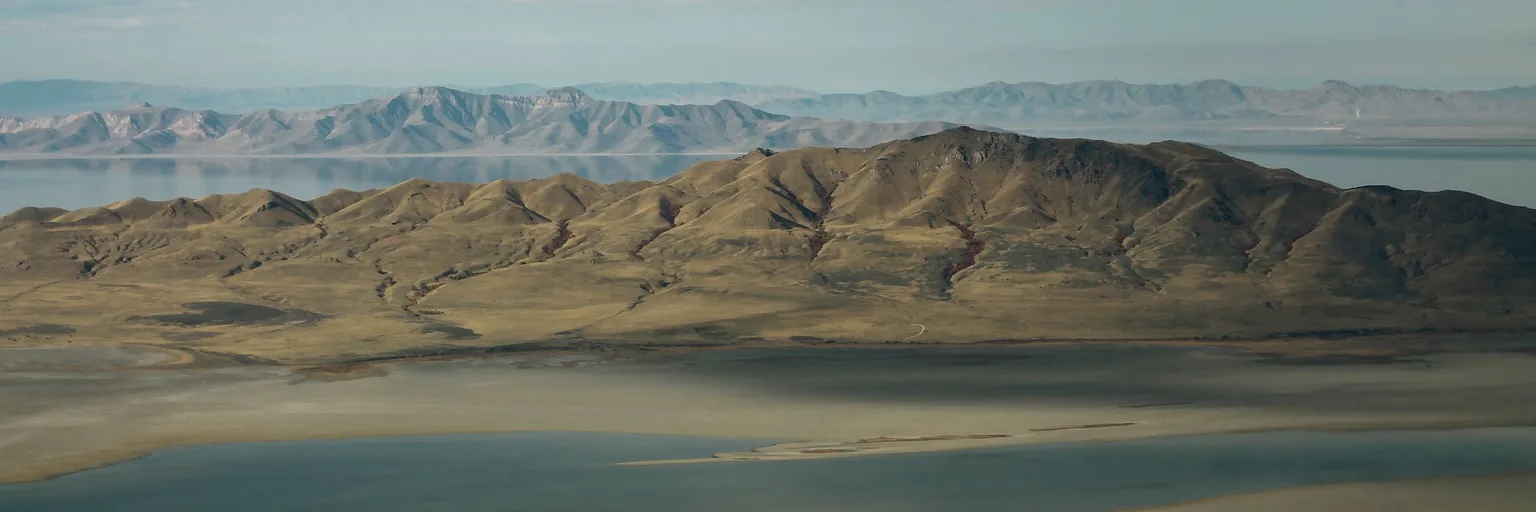
Photo: Matthew Dillon from Hollywood, CA, USA / Wikimedia Commons (CC BY 2.0)
For trail runners, Antelope Island often conjures images of challenging ascents, sweeping views of the Great Salt Lake, and unforgettable encounters with its iconic bison. But what if we told you that every stride on this remarkable island connects you to a story far deeper than personal bests—a narrative of endurance, adaptation, and preservation spanning over 12,000 years?
Antelope Island, the largest landmass within the Great Salt Lake, holds a fascinating timeline that begins with its earliest inhabitants. Paleo peoples are estimated to have arrived in the region over 12,000 years ago, utilizing the island for hunting, gathering, fishing, and insect roasting. Subsequent Indigenous groups, including Archaic peoples and the Fremont, adapted their resource use as climates shifted. The island later became part of the traditional homelands of Numic-speaking peoples—the Shoshones, Utes, and Goshutes—with the Western Shoshone referring to it as Pari-bi-na, or "elk place," a detail noted by exhibits.lib.utah.edu. This continuous Indigenous presence paints a picture of profound human connection to this landscape, long before European exploration.
It wasn't until 1845 that American explorers John C. Fremont and his guide Kit Carson arrived, riding across the shallows to reach the island. During this expedition, they observed numerous pronghorn, ultimately leading them to name it Antelope Island, a fact confirmed by hmdb.org. This naming moment, while significant, marks just one chapter in an already ancient story, setting the stage for more permanent European-American settlement and the subsequent layers of human history.
The Enduring Legacy of the Fielding Garr Ranch
Following its exploration, Antelope Island took on a new purpose as a ranching outpost. The Fielding Garr Ranch, established in 1848 by Fielding Garr, stands as a tangible monument to this era. Garr, tasked by the early Church of Jesus Christ of Latter-day Saints to manage tithing herds, built the first adobe house that year. This marked the beginning of a ranching tradition that endured for 133 years, shaping the island's landscape and economy.
Today, the ranch operates as a museum and exhibit facility, allowing visitors to step back in time and appreciate the rugged, self-sufficient lifestyle that once defined this isolated corner of Utah, as highlighted by Utah State Parks. It’s a compelling reminder that the island's narrative isn't solely about its natural beauty or ancient past; it's also about the pragmatic human endeavors that coexisted with, and shaped, its wild heart. The ranch offers a unique perspective on the island as a place of sustained human enterprise.
Bison: A Conservation Success Story
Perhaps the most iconic aspect of Antelope Island today is its thriving bison herd, a testament to early conservation efforts. These majestic animals were reintroduced to the island in 1893, when 12 privately owned bison were transferred to the island's owners, as documented by bisonvsbuffalo.com. This herd is particularly significant, recognized as one of the largest and oldest publicly owned bison herds in the nation, and their reintroduction demonstrates a farsighted commitment to preserving a species that once roamed vast stretches of North America.
Managing such a large, free-ranging herd requires active intervention, which is where the annual Bison Roundup comes into play. Each year, park rangers, volunteers, and skilled riders participate in an event that is as much a spectacle as it is a critical management tool. The bison are gathered, herded, and guided into corrals on the west side of the island for health checks, vaccinations, and population management. This essential work ensures the long-term health and sustainability of the herd, a pragmatic approach to conservation that blends modern ecological science with a deeply ingrained cowboy spirit.
Antelope Island State Park: A Shared Resource for All
Antelope Island’s journey to becoming a state park began with the state's purchase of its northern end in 1969, with the remainder of the island added in 1981. This pivotal decision transformed a private ranching and hunting ground into a public resource, making it accessible for all to explore and appreciate. The wisdom of this choice is evident in its growing popularity, with annual visitation topping one million for the first time in 2020. For trail runners and nature enthusiasts, the park offers unparalleled opportunities to engage with an ancient landscape, witness incredible wildlife, and reflect on the diverse human stories that have unfolded here.
From the subtle archaeological hints of Paleo peoples to the pioneering spirit of the Fielding Garr Ranch and the deliberate conservation of the bison herd, Antelope Island is a living history book—a profound place of human and natural endurance. It reminds us that even in our pursuit of personal bests on its trails, we are part of a much larger narrative, one that intertwines human perseverance with the timeless rhythms of nature. This island’s multifaceted story is a compelling argument for why we must continue to preserve and cherish such unique landscapes, not just for the breathtaking views, but for the profound lessons they hold about our shared past and future.
Keep reading
No topics yet: start the first one.
More stories
Antelope Island's Trails: Your Next Epic Run or Lakeside Stroll
Beyond its iconic bison, Antelope Island State Park offers a remarkable network of trails for every type of runner and hiker, from challenging climbs to tranquil shoreline paths.
Frary Peak: The Ultimate Test for Uphill Trail Running Mastery
Antelope Island's highest point offers breathtaking views and a formidable challenge, making it an ideal proving ground for mastering steep uphill climbs and building resilient trail running fitness.
Antelope Island: A Trail Runner's Wild Frontier Demands Vigilance
Antelope Island State Park offers an unparalleled trail running experience with stunning views and unique wildlife, but runners must prepare for its distinct challenges, from formidable bison to seasonal biting gnats.